Ask a heating engineer when their busiest period is, and they’ll almost certainly say winter. Boilers breaking down on the coldest day of the year, emergency call-outs at 10pm, the phone buzzing constantly from November through February. They’d be right. But busy isn’t the same as profitable, and it’s definitely not the same as growing.
The period where most heating engineers actually lose the most work is spring. Specifically, the weeks between late March and May, when homeowners start booking annual boiler services, landlords arrange gas safety checks before tenancy renewals, and people who’ve been putting off that radiator upgrade since January finally get around to it.
The wind-down problem
What typically happens is this. A heating engineer finishes winter running flat out — emergency repairs, breakdowns, systems that packed in during the cold snap. It’s relentless. By March, things slow down. The emergencies dry up. There’s a natural exhale.
And that exhale is exactly when a different kind of work starts calling. Not emergencies — planned work. Servicing. Certificates. Upgrades. The kind of work that comes with a phone call and a polite enquiry, not a panicked voicemail at midnight.
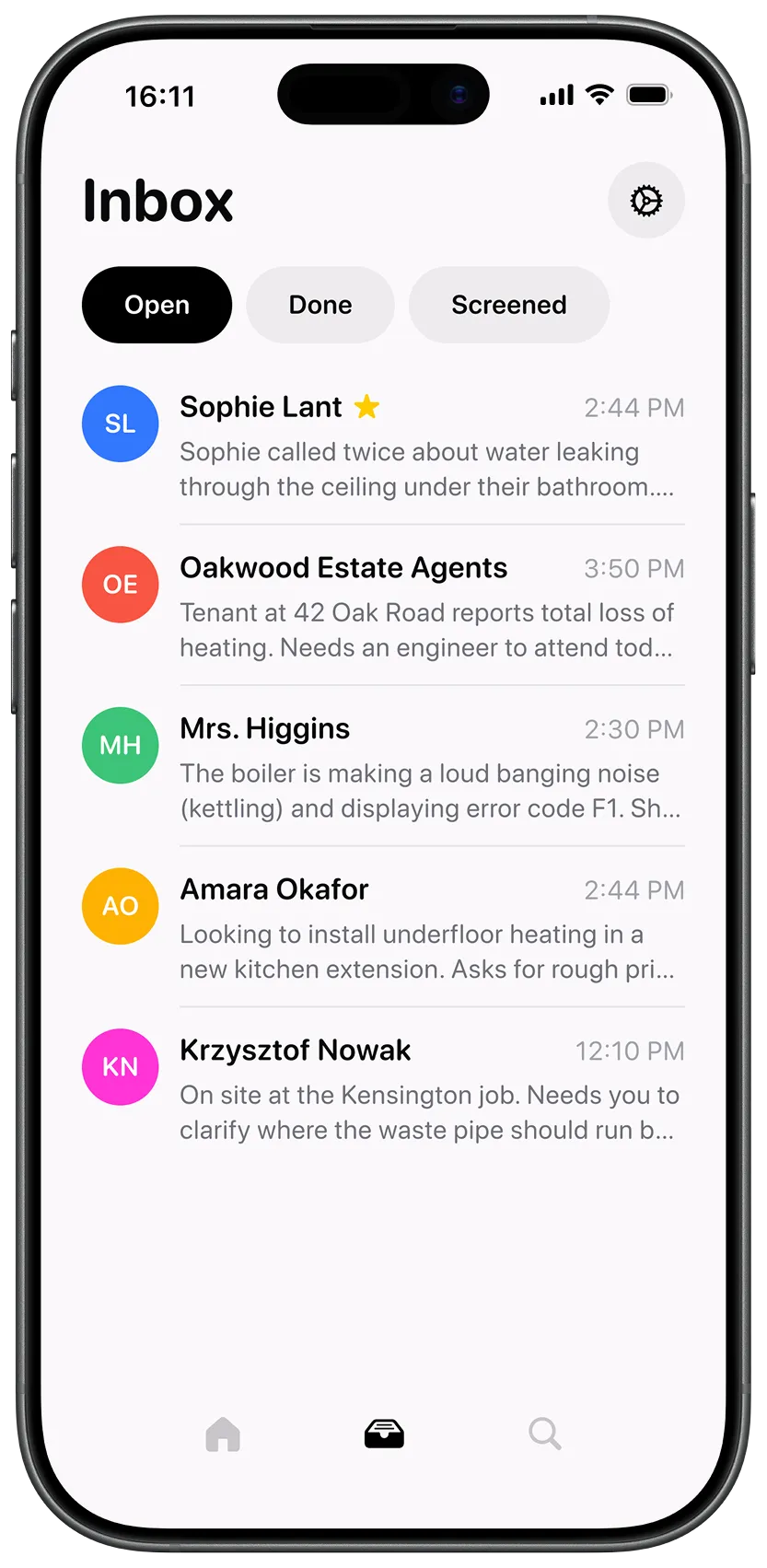
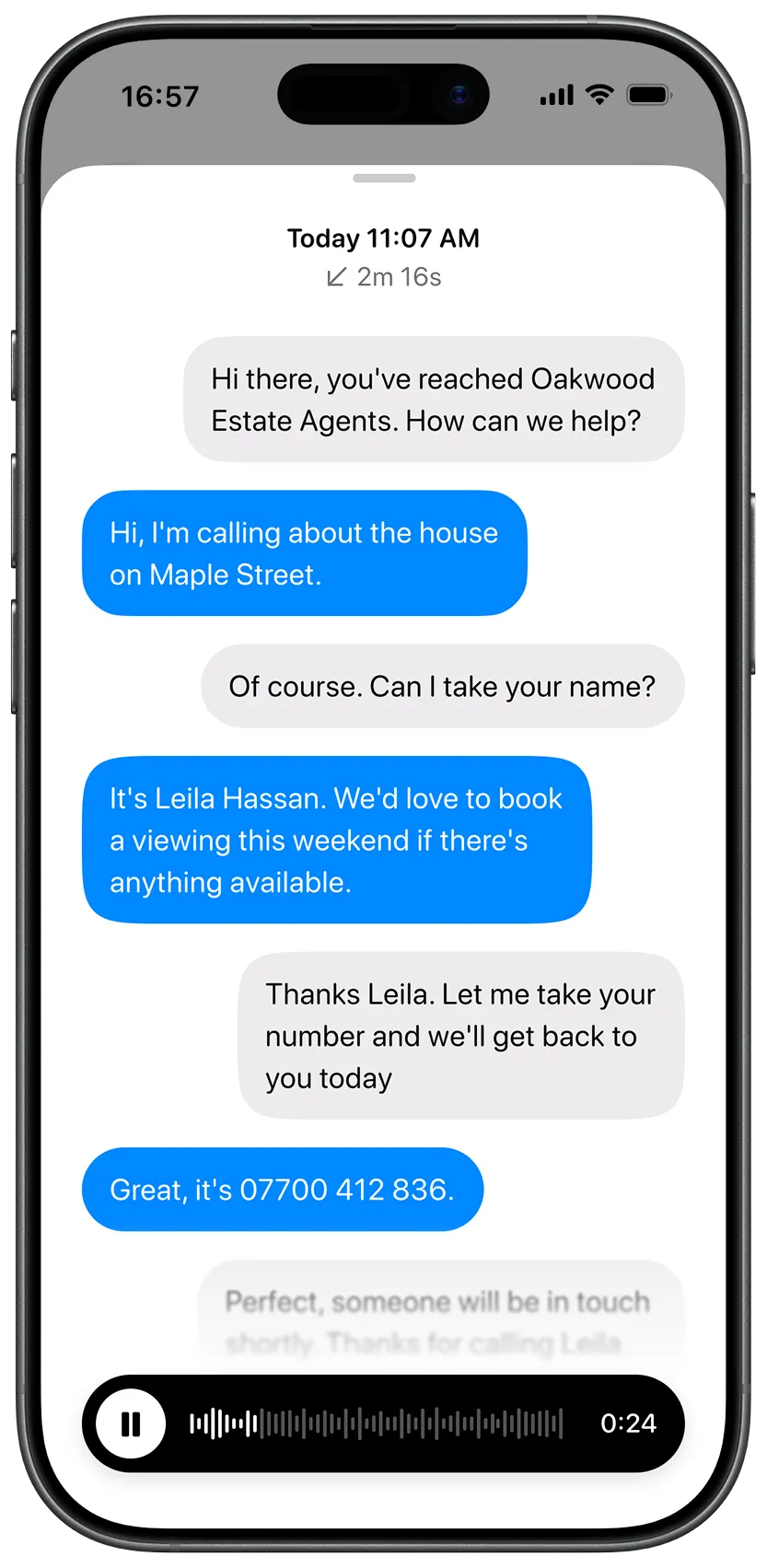
The problem is that these callers behave differently to emergency callers. Someone whose boiler has stopped working at 7pm will call back. They’ll try three numbers. They’ll leave a message. They’ll wait. Someone booking an annual service won’t do any of that. They’ll ring, and if nobody picks up, they’ll move to the next name on the list. They’re not desperate. They’re organised. And organised people don’t chase.
What the numbers look like
We spoke to Mark, a plumber and heating engineer in South Wales who runs a small team. He said something that stuck: “In winter, you can miss a call and still get the job. In spring, you miss one and it’s gone.”
Mark noticed the pattern a couple of years ago. His December revenue was strong — always had been. But his April and May numbers were weaker than they should have been, given how many enquiries he knew were out there. “Landlords need their gas certs done before summer. Homeowners want the boiler checked before they turn the heating off. There’s no shortage of work. The question is whether they get through to you.”
The difference, he reckoned, was that winter customers self-select for urgency. They need you today. Spring customers are shopping around, and the first business that picks up tends to be the one that books it.
The invisible queue
There’s a secondary problem that makes this worse. During winter, heating engineers build up a mental backlog — follow-up quotes they never sent, customers who mentioned future work, people who asked for a callback. By spring, that list has evaporated. Not because the work went away, but because the person rang someone else in the meantime.
It’s the same pattern you see across trades, but it hits heating engineers particularly hard because their year has such a pronounced shape. The winter spike creates an illusion that the phone takes care of itself. It does — for four months. The other eight are where having a system matters.
What actually helps
The heating engineers who maintain steady revenue through spring tend to have one thing in common: they don’t treat the phone differently depending on the season. Whether it’s an emergency boiler repair or a routine service booking, the first call gets handled — properly, promptly, and with enough information gathered that the engineer can follow up with a clear next step.
That might mean an answering service, an automated system that captures job details, or just a strict rule about returning calls within the hour. The method matters less than the consistency.
What doesn’t work is the assumption that spring leads will wait. They won’t. They’re not cold. They’re not panicked. They’re doing something sensible and practical, and they’ll book with whoever makes that easy.