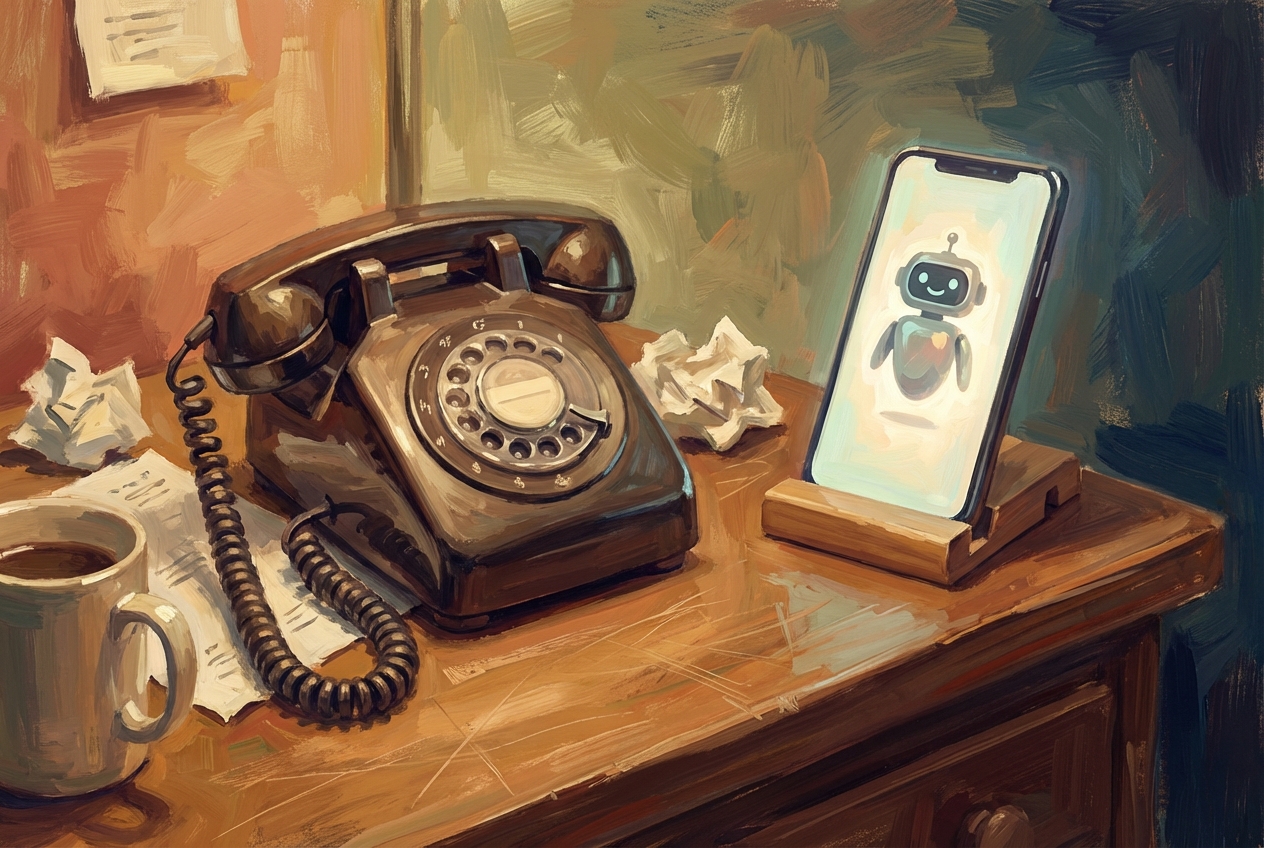
Everyone has a story about a terrible automated phone system. The eight-option menu where none of them apply. The hold music that loops every ninety seconds. The speech recognition that asks you to repeat your account number three times and then puts you through to the wrong department anyway.
When people hear that a small business is using AI to answer calls, that’s the image that comes to mind. We know this because it comes up in almost every conversation we have about Clara, usually in the first thirty seconds.
It’s the wrong comparison, but it’s an understandable one.
Why those systems are hated
The automated phone systems that people despise were designed to reduce the cost of customer service for large companies. They’re optimised for the business, not the caller. Their purpose is to sort and deflect: route you to the right department, or ideally, get you to solve your problem on the website so a human never has to speak to you at all.
Callers can tell. The experience feels adversarial because it is. The company is trying to minimise contact. The caller is trying to maximise it. The menu system sits in the middle, serving the company’s interests while wearing the caller’s patience thin.
What’s actually different
Clara was built for small service businesses, and the dynamic is the opposite. A plumber or a cleaner or a dog groomer doesn’t want to deflect callers. They want to speak to every single one of them. The problem isn’t too many calls — it’s too many calls at times when they physically can’t answer.
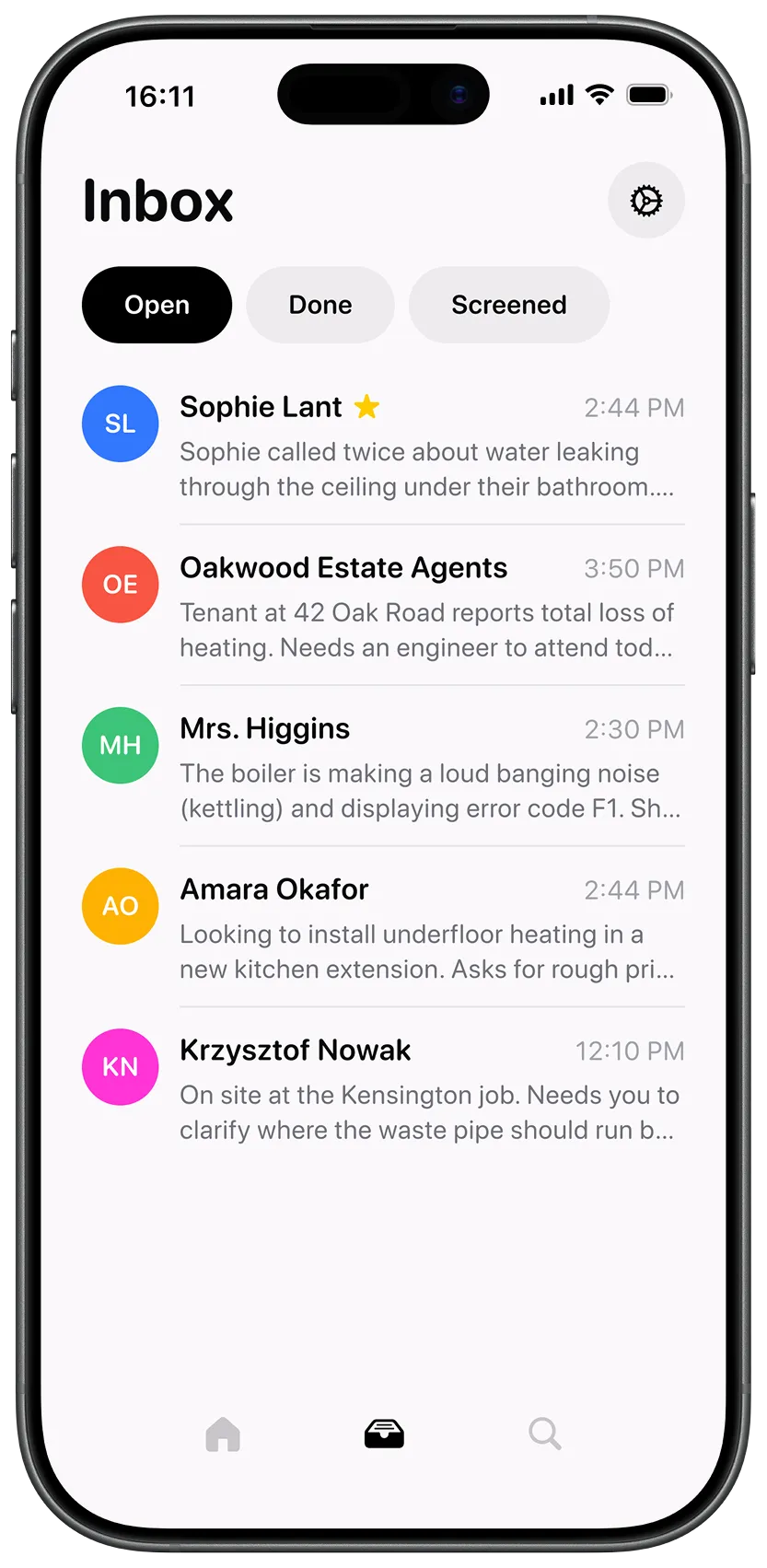
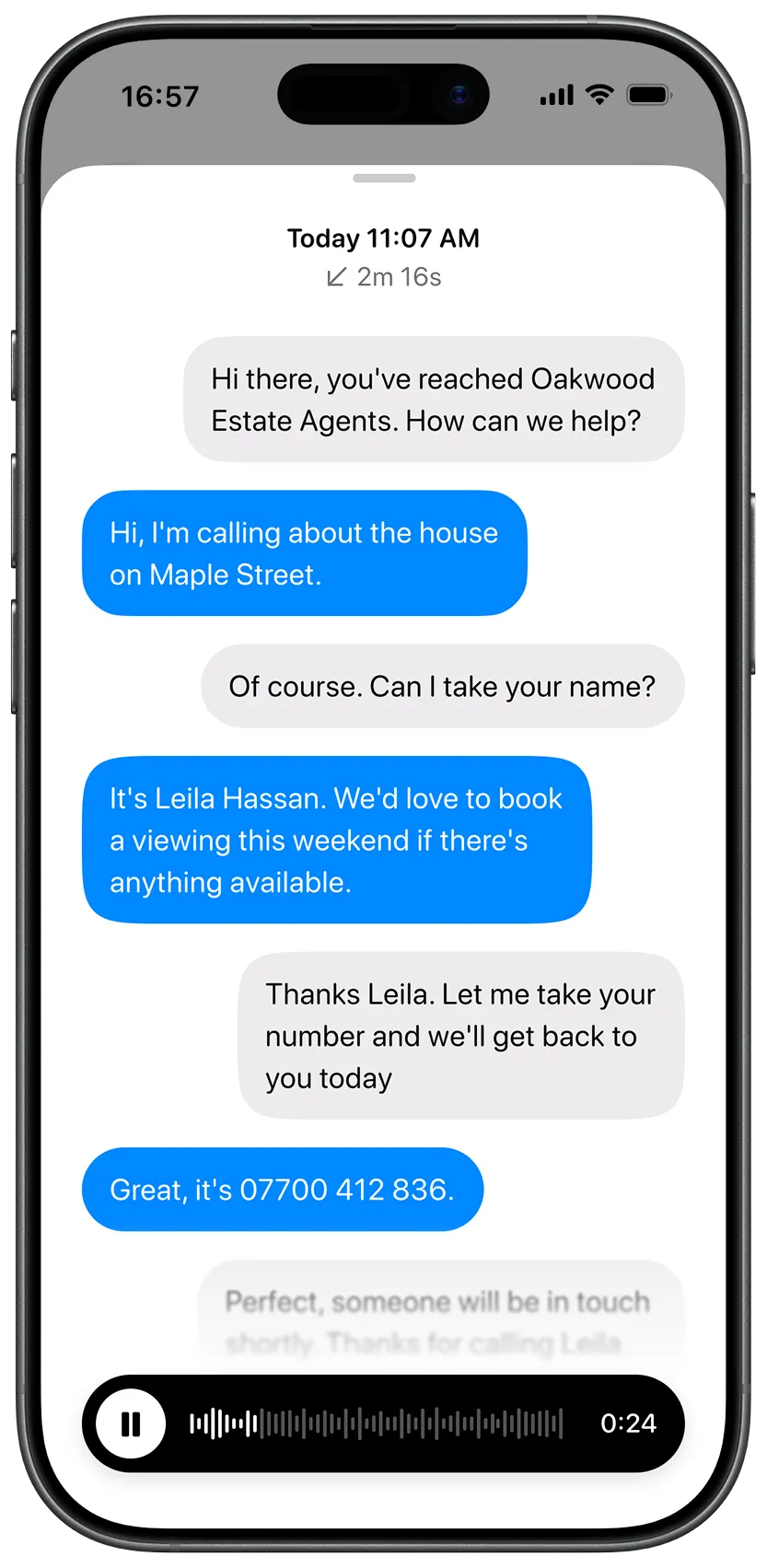
When someone calls a business using Clara, there’s no menu. No options to press. No “your call is important to us.” The AI picks up and says, essentially, “hello, how can I help?” The caller describes what they need. Clara asks a few relevant follow-up questions — tailored to whatever that particular business cares about — and captures the details.
Jess, who runs a cleaning company, configured Clara to ask about property size, type of clean, and preferred days. Mark, a plumber, has it ask about the type of problem, property location, and urgency. Brad, a mechanic, captures the vehicle details and the caller’s location. Each setup takes a few minutes to configure, and the result is a conversation that feels relevant to the caller’s actual situation rather than a generic routing exercise.
The whole call typically takes about ninety seconds. No hold music. No transfers. No instructions. This kind of experience is more common than the reputation of automated phone systems would suggest — Moneypenny’s 2025 research found that 34% of UK businesses already use AI to support telephone answering, and the businesses using it aren’t enterprise call centres. They’re small operations that can’t always have a person available.
The transparency point
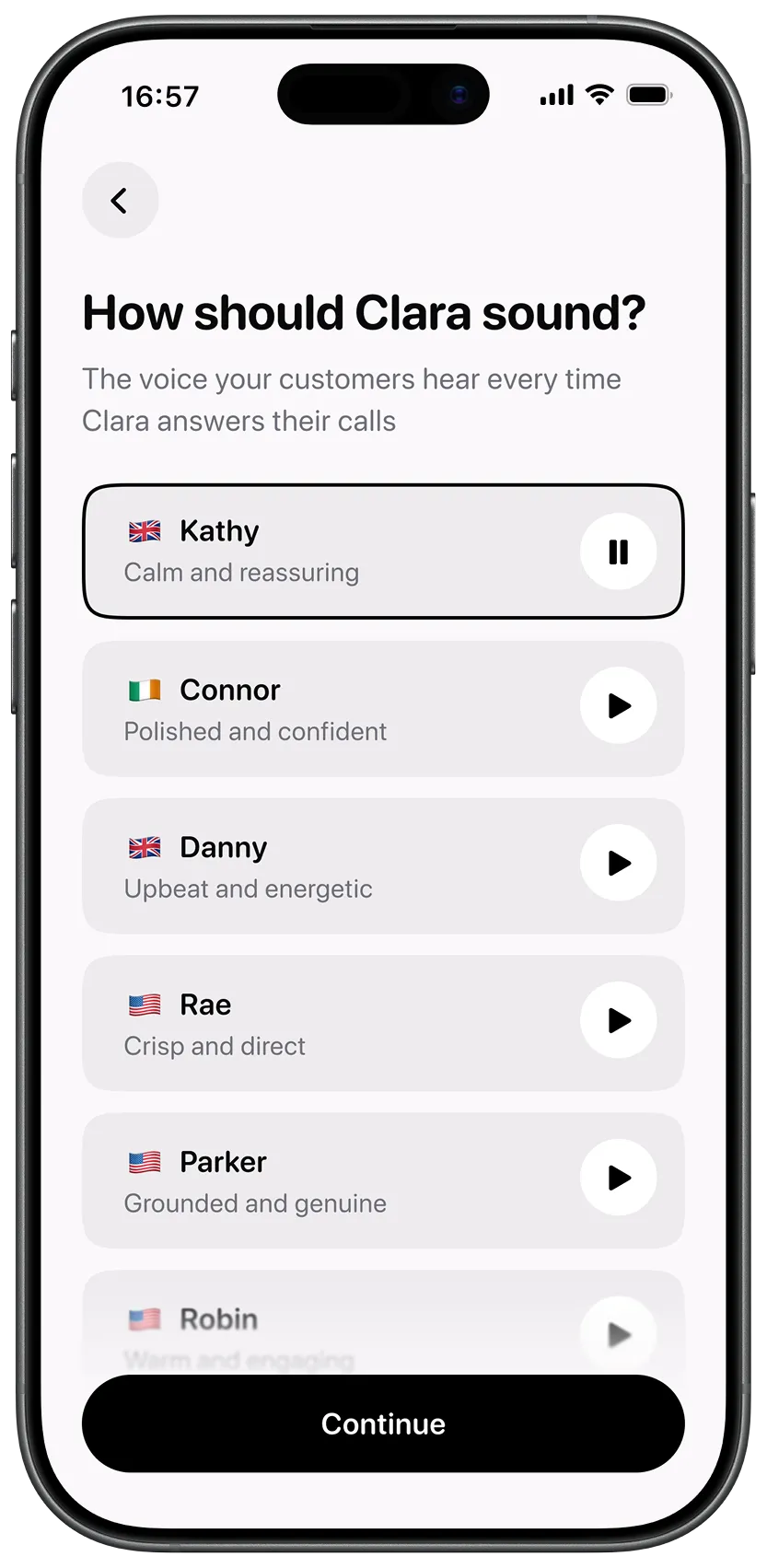
One thing that comes up less than we expected, but is worth mentioning: Clara tells callers what it is. It introduces itself as an AI assistant at the start of the call. There’s no attempt to pretend it’s a person.
We thought this would be a bigger issue than it turned out to be. In practice, most callers are fine with it, largely because the experience is so different from the automated systems they’re used to hating. When a system asks relevant questions and actually responds to what you say, the “is this a real person” question becomes less important than “is this helpful.”
The callers who do object tend to be a small minority, and they can leave a message or call back. Those callers weren’t going to have a good experience with voicemail either.
What this is really about
The dread people feel when they hear “automated phone system” is earned. Those systems are bad, and they’re bad because they were designed to serve the business at the caller’s expense.
Clara is a different thing, built for a different context, solving a different problem. It exists because a plumber can’t answer the phone when they’re under a sink, not because a corporation wants to avoid paying for call centre staff. Confusing the two is understandable, but once someone actually experiences the difference, the comparison usually stops coming up.